Tips for Caring for the Elderly with Dementia
Advice on caring for the elderly with dementia is something any caregiver should...

Caring for a loved one when they are sick is always important, especially when they are hospitalized or need special care at home. However, not everyone has the knowledge, skills and time to perform this role well. Common obstacles
With Hio, the elderly not only receive health care, but also experience the best companion services.
Take a quick survey about your depression level and check out some helpful information.
Thank you for completing the depression test. Let's review the results of the assessment with Hio.

On the journey of caring for the elderly, understanding and applying health care methods is extremely important.
From maintaining a balanced diet to a proper exercise schedule, and paying special attention to medical and psychological conditions, each approach plays an important role in keeping seniors healthy and happy.
Hio is the place where you can send your love and care to your most important loved ones.
Memory loss in seniors can be more serious than you think!
Advice on caring for the elderly with dementia is something any caregiver should...

At this stage, when symptoms become more obvious than in Alzheimer's disease in the...
The early stages of dementia are often difficult to detect, when the patient may...

During the past 2 weeks, how often have you felt bothered by any of the following problems? For each question below, choose the answer that corresponds to your current situation according to the following scale.
Not at all = 0; A few days = 1; More than half a day = 2; Almost every day = 3
10. For the problems you encountered above (those scored) how difficult have these problems been for you in working, taking care of things at home, or interacting with others?
a) No problem
b) A bit difficult
c) Very difficult
d) Extremely difficult
For initial diagnosis:
If at least four boxes score 2 or 3 (including Questions 1 and 2), consider a depressive disorder. Consider additional scores on the remaining questions as instructed below to determine severity.
Consider major depressive disorder:
– If there are at least 5 boxes marked 2 or 3 (one of which corresponds to Question 1 or 2)
Consider other depressive disorders:
– If there are 2 to 4 boxes marked 2 or 4 (one of which corresponds to Question 1 or 2)
Note:
– Since the questionnaire relies on patient self-response, all responses must be verified by a clinician and a definitive diagnosis made on a clinical basis taking into account the patient's understanding of the questionnaire as well as other relevant information from the patient.
– Diagnosis of Major Depressive Disorder or Other Depressive Disorder also requires impairment in social, occupational, or other important areas of functioning (Question 10) and exclusion of common bereavement, history of Manic Episode (Bipolar Disorder), and physical disorder, medication, or other drug as biological causes of depressive symptoms.

Clinical depression, also known as major depressive disorder, is more than just feeling sad or down. It is a serious mental health disorder characterized by persistent feelings of sadness, hopelessness, and loss of energy or motivation. These feelings can severely interfere with daily life, making it difficult to work, maintain relationships, or care for oneself. While everyone experiences sadness at some point, depression is different. It is long-lasting, overwhelming, and can take away one's sense of self-worth, appetite, and ability to enjoy life. Depression is twice as common in women as in men.

- Prevalence in Older Adults: Depression affects millions of older adults worldwide, but is often overlooked or mistaken for normal aging.
- The Importance of Caregiving: Older adults are at higher risk for depression due to life changes such as retirement, loss of a loved one, or declining physical health. These changes can lead to feelings of loneliness or hopelessness.
- Gender Differences: As in other age groups, depression is twice as common in older women as in men.
- Duration: A depressive episode usually lasts about four months, but in older adults, it can last longer if not treated properly, because they are often reluctant to seek help.

Make the Change Now!
- Maintain healthy habits If you're feeling depressed, maintaining a regular sleep schedule – which benefits every system in your body – is especially important.
- Stay in touch with people Even if you're not sure if you'll be available, maintaining social connections has been shown to help reduce stress and feelings of sadness.
- Complete your to-do list When you feel stable and positive, take advantage of that energy. Take this opportunity to face challenges, big or small.
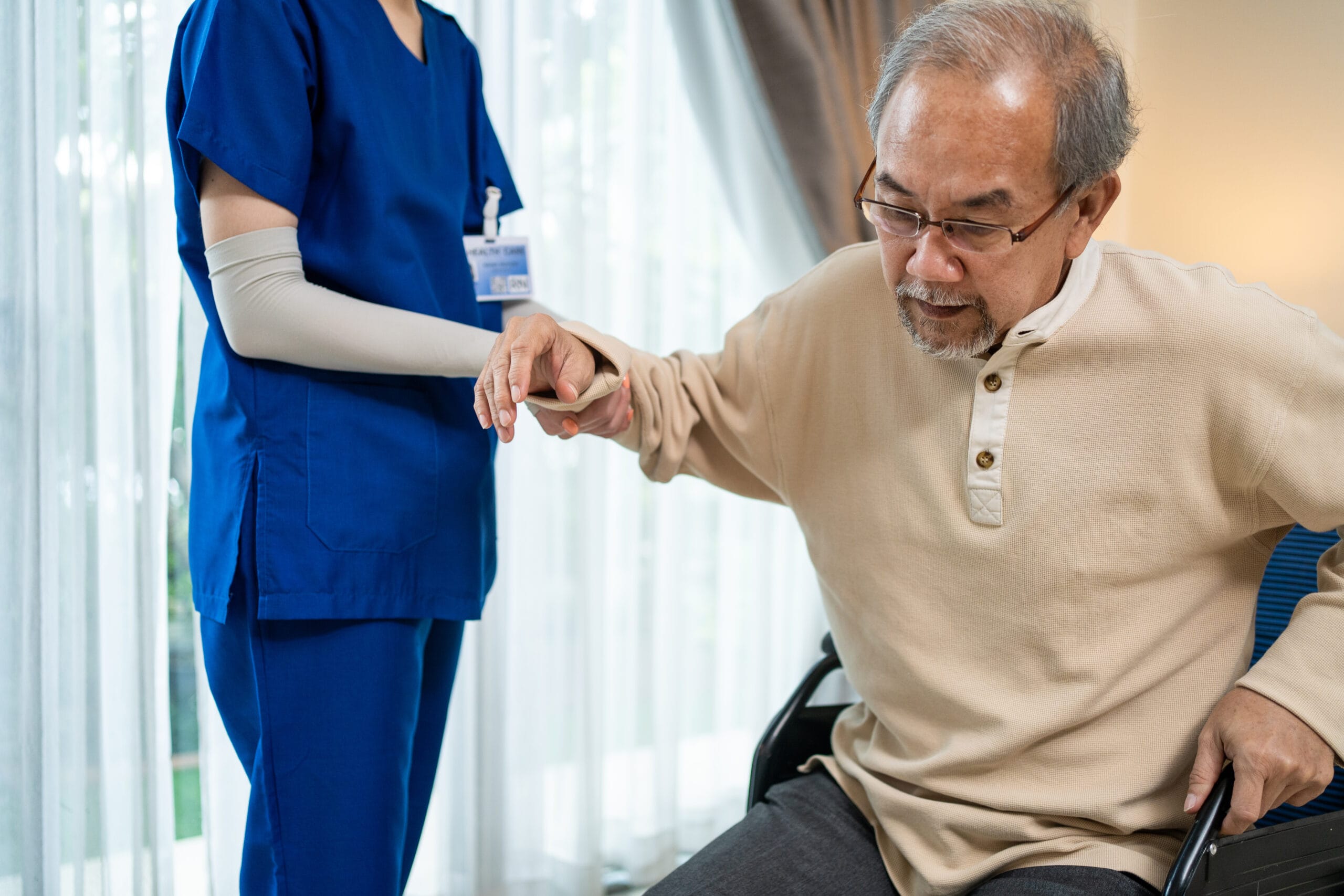
Your support can make a big difference. Here are some ways you can help:
- Practical support: Help them with everyday tasks. When they are feeling negative, tasks like cooking, cleaning, or shopping can become very difficult for them.
- Connect gently: Spend time with them and listen. Instead of just telling them to “cheer up” or “look on the bright side,” focus on empathetic, non-judgmental conversations.
- Encourage them to seek professional help: Support them in seeking psychotherapy or professional help, which is often an important step towards recovery.

If your test results show signs of depression, remember that you are not alone and there is support available. At Hio, we understand the unique challenges faced by older adults and are here to provide the support you need.
Our services are personalized to provide the most dedicated and appropriate care.
Start your journey to recovery and look forward to a brighter future!
Please fill in the information below, Hio's consultant will contact you within 30 minutes. Thank you for your interest in learning about Hio's professional health care services.
Hio's consultant will contact you as soon as possible, please keep your phone on. If you have urgent matters, you can text or call the Hotline number. (+84) 969 623 400
You will receive a call from a Hio consultant within 30 minutes (from 8am to 10pm) after making an appointment. Please keep your phone on during this time. Outside of the above time frame, Hio will try to contact you as soon as possible. Thank you for your interest in Hio's services.